
My Chef Notes & Food for Thought & Love of Celeriac (Celery Root)
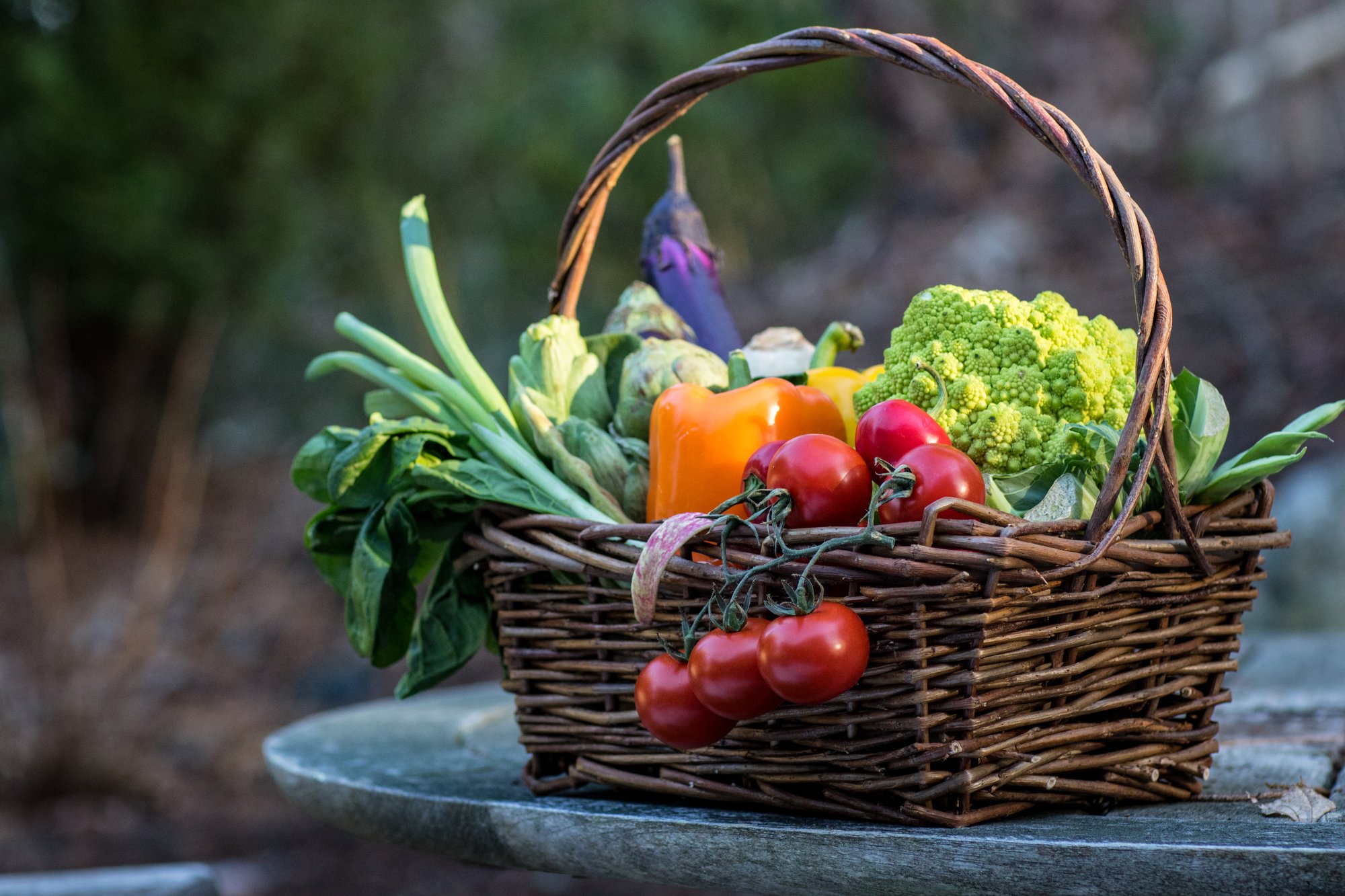
This week at the farmers' market, I was standing in line with two celeriac and one rutabaga, a basket full of fresh produce at my feet. The woman behind me leaned in and asked, “What is that, and what do you do with it?”
As I answered, I noticed everyone within hearing distance stopped to listen. Later that day, at work, I had my celeriac sitting on the bench, and someone walked by and asked, “What is that?”
It was a good reminder that we often walk past some of nature’s nourishing gifts simply because we aren't sure "how to" use them.
So, let’s talk about celeriac.
What Is Celeriac?
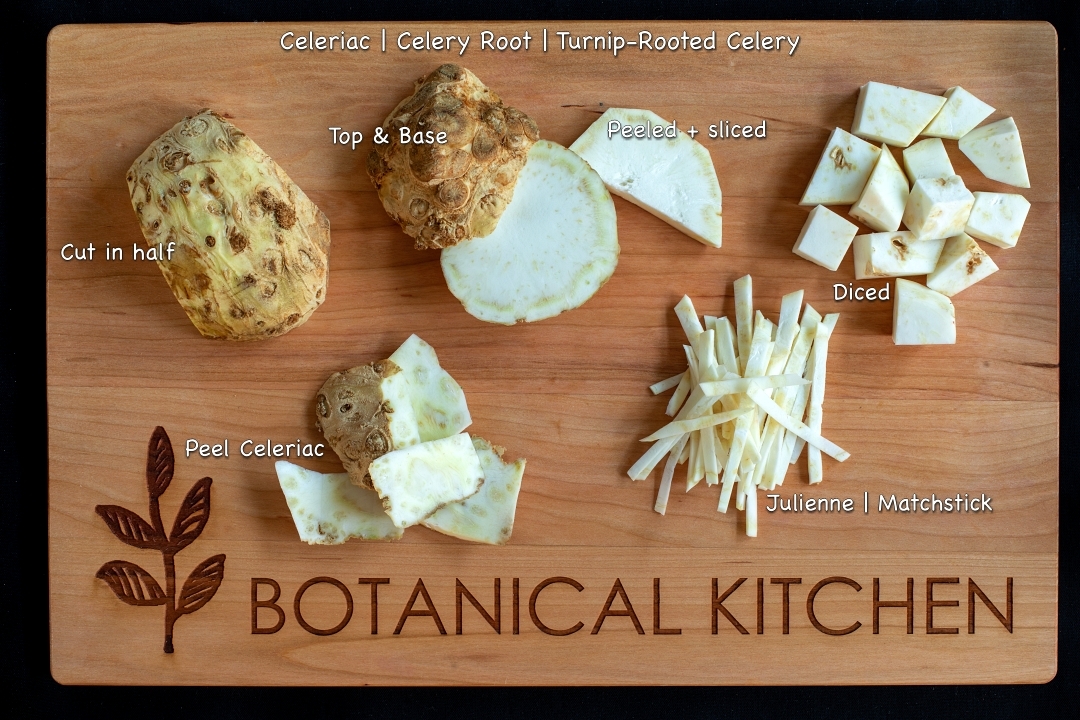
Celeriac, also known as celery root, is a rough, knobbly, round-ish root vegetable. It is earthy and light brown on the outside, but when you cut into it, you reveal a beautiful creamy interior.
While celeriac is indeed a form of celery, it isn't the actual root of the green-stalked celery. It is a specific cultivar of the same plant species (Apium graveolens), selectively grown to develop a large, edible bulb rather than long, fibrous stems.
The flavour is soft, creamy, and celery-like with nutty undertones. It’s a great ingredient to have in your kitchen, especially during the cooler months.
Celery (Apium graveolens): The long, green-stalked vegetable we know well.
Celeriac (Apium graveolens var. rapaceum): The knobbly root with a rich celery flavour and excellent storage capacity.
Food as Medicine: Celery Root Benefits
Eating seasonal root vegetables like celeriac is a simple, practical way to support the body during colder, drier conditions. From an energetic and holistic viewpoint, root vegetables are traditionally considered nourishing and grounding, helping to bring warmth, stability, and balance when the environment is more demanding on the body.
Nutritionally, celeriac is a high-fibre, low-calorie vegetable with a relatively low glycaemic load compared with many other roots. It contains fermentable fibres and small amounts of resistant starch, which can act as prebiotics, supporting a healthy gut microbiome, steady digestion, and satiety.
Celeriac is also mineral-rich, providing useful amounts of vitamin K, vitamin C, potassium, and phosphorus, which contribute to bone health, immune function, and fluid balance.
Together, its fibre content, low energy density, and micronutrient profile make celeriac a supportive food-as-medicine choice.
How to Prepare Celeriac
Don’t let the rough look intimidate you. Preparing this vegetable is easier than it looks.
1. Clean it: Wash to remove any dirt trapped in the crevices.2. Peel it: Use a sharp knife to carefully cut away the skin. A vegetable peeler works too, but can get tricky when peeling the knobbly bits. You can leave the skin on if you prefer, but the texture is much smoother without it.
3. Chop it: Cut it into wedges, cubes, discs, or matchsticks, depending on what you are making.
How to Cook + Eat Celeriac — Simple Techniques
Celeriac is incredibly versatile. You can mash or purée it, roast it, poach it, steam it, braise it, or add it to soups and curries.
- Eat it raw: Try a raw salad like Celeriac Remoulade or julienned in a Caesar salad.
- Roast it: Add to roasted vegetable dishes or salads for warmth and flavour.
- Braise it: Use in soups, stews, or with lentils and kale for a comforting meal.
Eat It Raw
Celeriac is fabulous raw. You can find a Celeriac Remoulade recipe in my food-as-medicine collection. It is dairy-free and pairs beautifully with fish.
One of the best salads I have ever eaten was a Celeriac Caesar at a cool Italian restaurant in NYC many years ago. The celeriac was julienned (cut into matchstick-style strips) and lightly dressed with a proper house-made Caesar dressing; it had a cult following.
Roast It
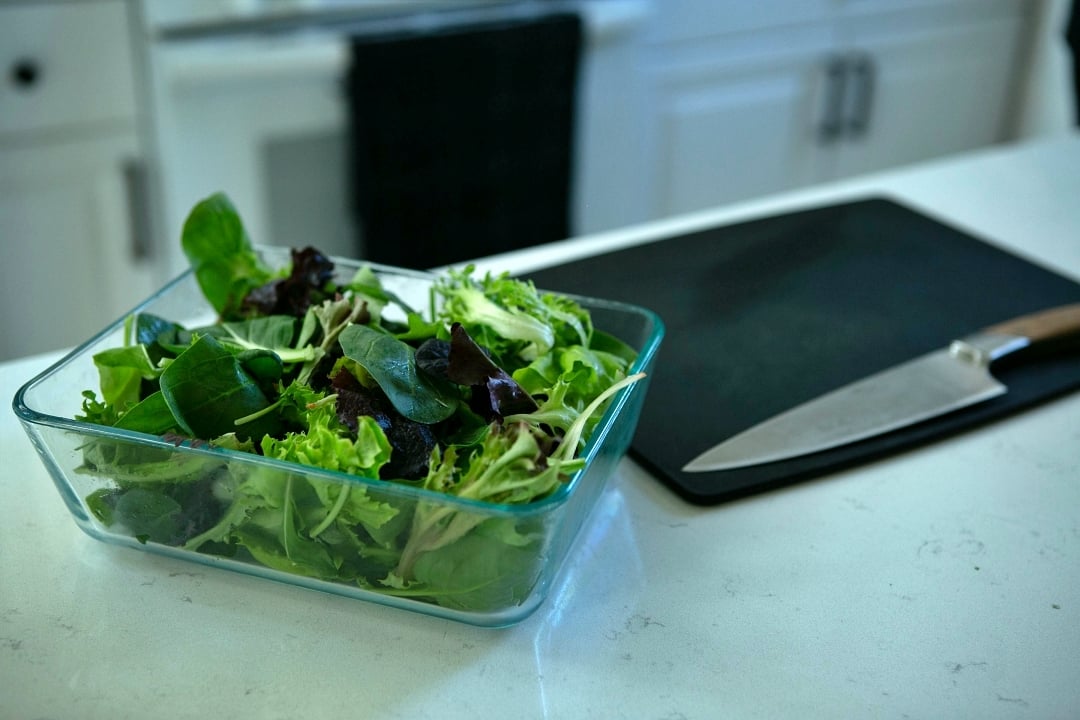
This week, I’m using celeriac in a roasted veg quinoa dish. You could easily add it to a roasting tray with rutabaga (swede). There is something magical about a layered salad that starts with fresh leafy greens and finishes with warm roasted vegetables and a good drizzle of dressing.
Braise It
Next week, celeriac will feature in a nourishing minestrone soup. Last week, I braised it with carrot, lentils, and kale. These comforting celeriac recipes are part of my BK memberships, which you are welcome to trial for free if you’re curious.
Where to Get It?
Sadly, celeriac isn't as popular in mainstream supermarkets in the US like it is in the UK, which is where I first learned to love it as a young chef. It is very much a farm-to-table staple, so the best people to ask about it are your local farmers
Your Local Farmers Are So Important! They grow the best vegetables and are an integral part of preserving the goodness, flavour, and health of your local food systems and soil biodynamics.
Why Add Celeriac to Your Plate?
- Nutrient-dense: High in dietary fibre and essential vitamins and minerals.
- Low in calories, big on flavour: Earthy, celery-like taste that works well in lighter meals.
- Versatile in the kitchen: Roast it, mash it, purée it, braise it, or enjoy it raw.
Try It This Week
Whether you roast it, mash it, or try it raw, you are taking a positive step in the kitchen. I always have celeriac in winter because I love both the versatility and comfort it brings.
Here’s the link to that Remoulade I mentioned a free recipe for you to try. Let me know how it goes?! Reach out via social.



 letter