
Fresh & Frozen: Foundational Ingredients for Everyday Cooking
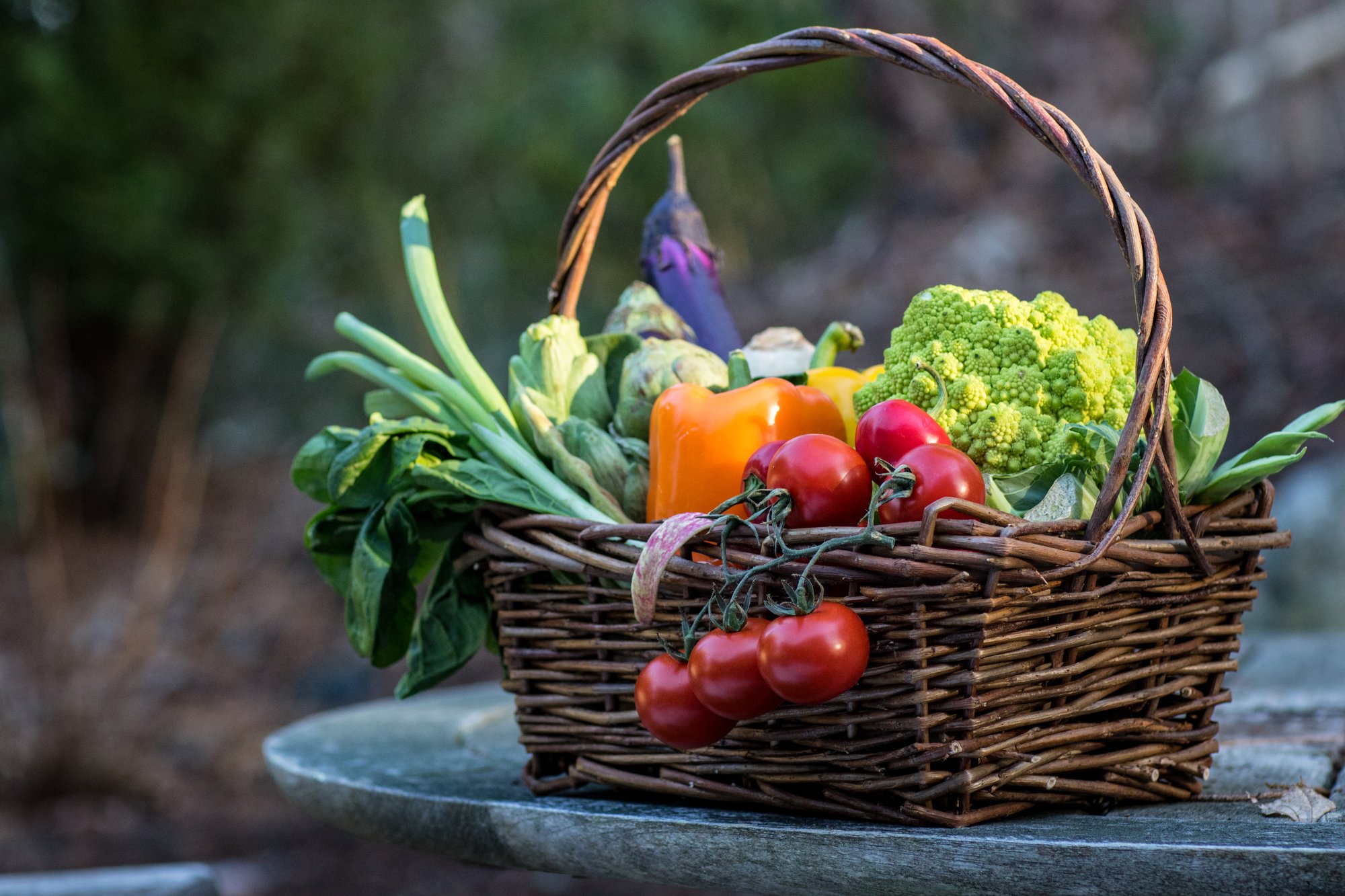
When picturing a food-as-medicine kitchen, visions often arise of brimming market baskets, aromatic herbs, and crisp leafy greens. it can sometimes seem overwhelming and costly to maintain. Fresh, seasonal produce remains foundational, but frozen produce is often quietly underrated. Frozen fruits and vegetables offer an accessible, sustainable way to nourish yourself and make home cooking more manageable.
Many still perceive frozen fruits and vegetables as inferior to fresh. In the freezer aisle, it’s common to feel uncertain or even guilty about reaching for a bag of frozen broccoli. Yet these frozen staples can be foundational ingredients for building more consistent and sustainable cooking habits at home.
If you’ve hesitated to include frozen fruits and vegetables in your kitchen, here are a few reasons why integrating frozen ingredients is a practical, nutrient-conscious, and environmentally mindful approach to supporting your health and cooking routine, alongside fresh produce.
Key Benefits of Using Frozen Ingredients
- Nutrient Density: Quick freezing preserves vitamins, minerals, and flavour.
- Convenience: Chopped, washed, and ready to use out of the bag — "sous cheffed" for you.
- Sustainability: Reduces food and packaging waste, cuts down on food miles, and helps minimise environmental impact.
- Affordability: Often less expensive and helps with budgeting and reducing waste.
- Accessibility: Makes cooking consistent, nourishing meals easier—especially for busy households or those with accessibility needs.
Frozen Produce is Nutrient-Dense
It’s a common myth that freezing damages nutritional value. In truth, most fruit and vegetables bound for freezing are picked at peak ripeness and nutrient density. The freezing process locks in these benefits, so you have access to nutritious ingredients year-round.
Why nutrients are better preserved
- Harvested at their peak: when vitamins and minerals are highest.
- Quick freezing protects valuable nutrients and flavour.
- Less handling + deterioration compared to fresh produce that travels long distances and sits on shelves.
By extending shelf life, frozen produce supports sustainability—helping ensure less spoilage and reducing waste at home.
Sustainability and the Role of Frozen Foods
Incorporating frozen ingredients supports sustainability in several important ways:
- Reduced Waste: Use just what you need, minimising spoilage.
- Efficient Transport: Bulk shipping and storage lower energy use.
- Less Packaging: Often needs less plastic compared to out-of-season produce.
- Lower Emissions: Swapping fresh, air-freighted produce for frozen helps reduce food miles.
Using frozen foods is a practical contribution to a less wasteful, more sustainable kitchen.
The Convenience of a "Sous Chef"
Cooking nourishing meals consistently can sometimes feel like a chore, especially during busy weeks or when your energy is low. This is where frozen vegetables can be a game-changer. Depending on what you purchase, these ingredients are often pre-prepped—essentially "sous cheffed" for you.
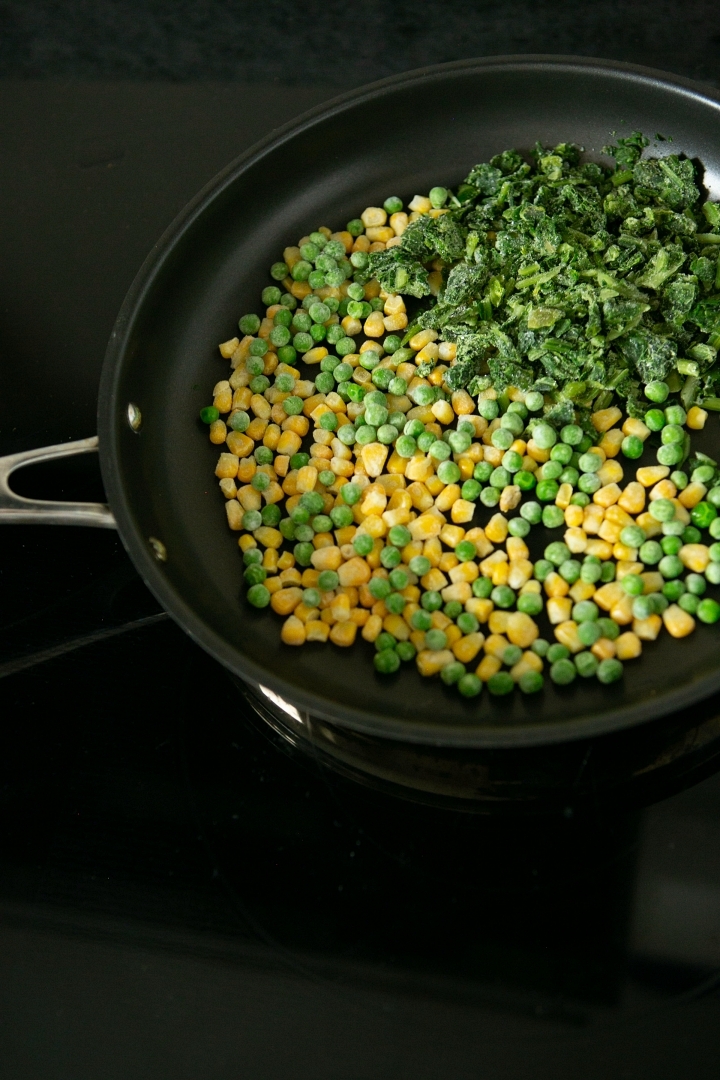
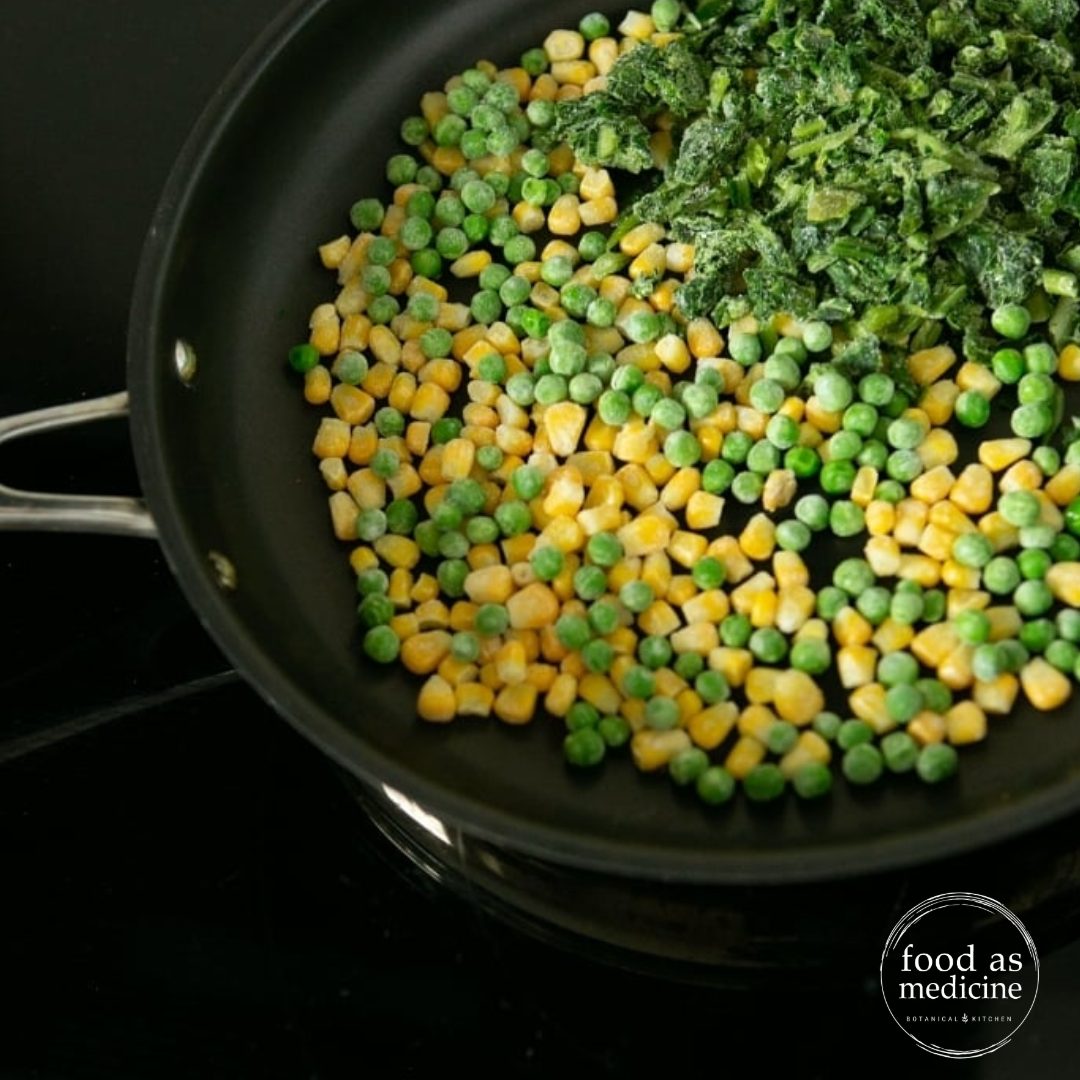
- Frozen Kale: Already washed, stemmed, and cut into tiny pieces.
- Butternut Squash: Peeled and cubed.
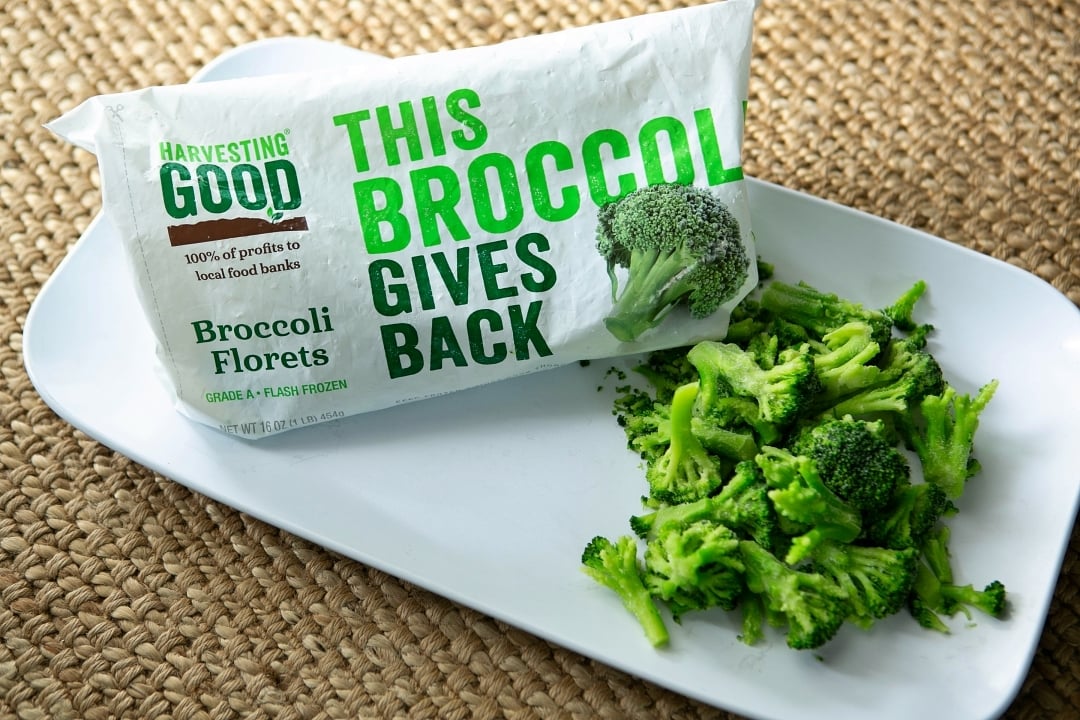
- Broccoli — Chopped into perfect florets.
These ingredients are ready to cook immediately, skipping the prep steps of washing, peeling, and chopping. This convenience is especially helpful after a long day or for those with limited mobility or less confidence in knife skills. Frozen vegetables make cooking more accessible and stress-free.
Understanding Texture and Preparation
While frozen ingredients are practical, it’s important to note that they are not identical to fresh produce. The freezing process changes the structure of plant cells, which can alter the texture. This doesn’t mean they’re bad—it just means they require different cooking techniques.
Best uses for frozen vegetables:
- Stir into soups and stews
- Add to braised dishes
- Use in curries and casseroles
Some vegetables, like peas, corn, edamame, broccoli, spinach, and kale, hold up surprisingly well when steamed or quickly pan-seared.
Chef tip: Building a sustainable cooking routine means knowing what you need, what you like, and finding a balance that works for you.
The Versatility of Frozen Fruit
Frozen fruit—especially berries—is an effortless addition to your kitchen.
- Affordable: Far cheaper than fresh berries out of season.
- Eco-friendly: Less packaging than fresh supermarket berries and reduced waste.
Culinary uses for frozen berries:
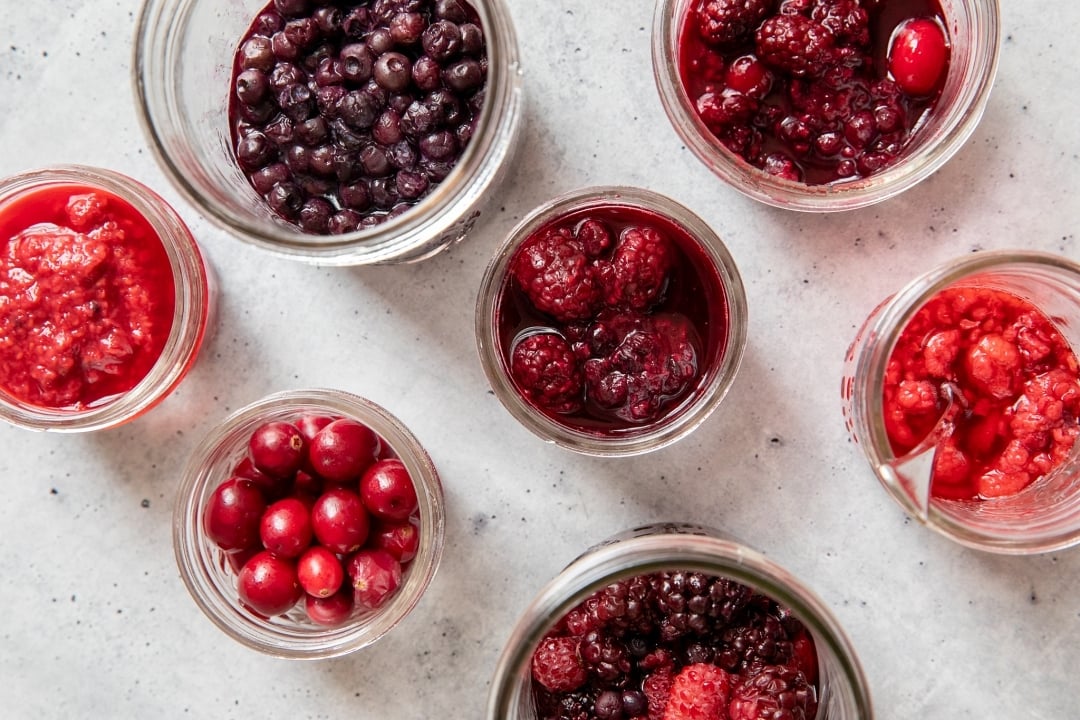
- As they thaw, they release a natural syrup that’s perfect for:
- Stirring into yogurts or as a parfait base.
- Drizzling as a sauce.
- Replacing milk in granola or cereals.
- Mix with seeds for chia pudding or berry bowls.
- Blend into smoothies, cook into compotes, or bake into pies, cakes, and crumbles.
A Sensible and Sustainable Approach
Keeping a balance of staples in both the freezer and the fridge is one of the simplest ways to maintain balance in the kitchen.
Why frozen ingredients are a smart choice:
- Cost-effective: Often cheaper than fresh.
- Reduces food waste: Use only what you need.
- Convenient: Always have ingredients on hand for a quick, healthy meal.
The real foundation of a nourishing, sustainable kitchen lies in creating balance. Each brings its unique strengths—fresh for vibrancy and texture, frozen for convenience, sustainability, and often cost-effectiveness.
It’s not about choosing between fresh and frozen—it’s about using both to create a self-care cooking foundation that works for you.



 letter